The Science of Winged Insects
Winged Insects, Flying Ants and Termite Swarmers
Clear information about alates, flying ants, termite swarmers and the traits used to separate similar-looking insects. Current coverage also explains wing loss, reproductive castes and the botanical meaning of “alate.”
Identify what you found
Use the location, body shape, antennae, wings and surrounding evidence together. Color alone is rarely enough.
Current topic centers
The published library currently focuses on alate biology, flying ants and termite swarmers. The botanical use of the term has a separate reference article.
What Are Alates?
Definitions, reproductive castes, winged and wingless forms, life cycles and dealation.
View alate biology articlesFlying Ants
Indoor sightings, seasonal flights, identification traits, regional timing and common ant groups.
View flying ant articlesTermite Swarmers
Discarded wings, indoor activity, swarm seasons, termite groups and post-swarm evidence.
View termite swarmer articlesAlate in Botany
The use of “alate” for winged seeds, fruits and plant structures associated with dispersal.
Read the botanical articleUseful starting points
Core reference pages for terminology, identification, indoor sightings and the botanical meaning of alate.
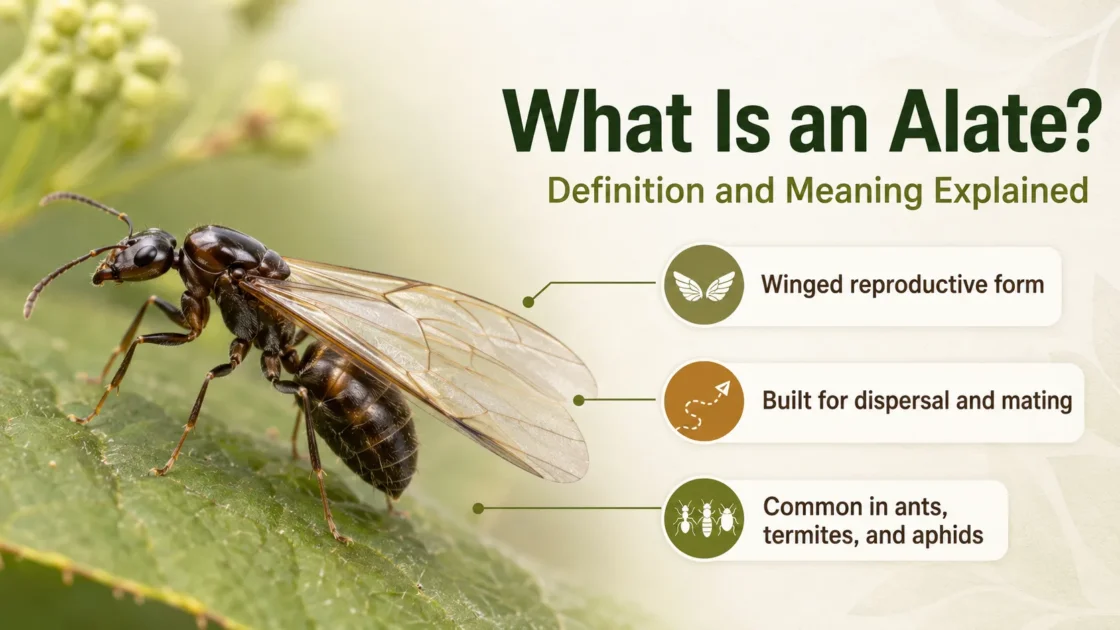
What Is an Alate?
The meaning of alate in entomology, the insects it can describe and how the same word is used in botany.
Read the alate definition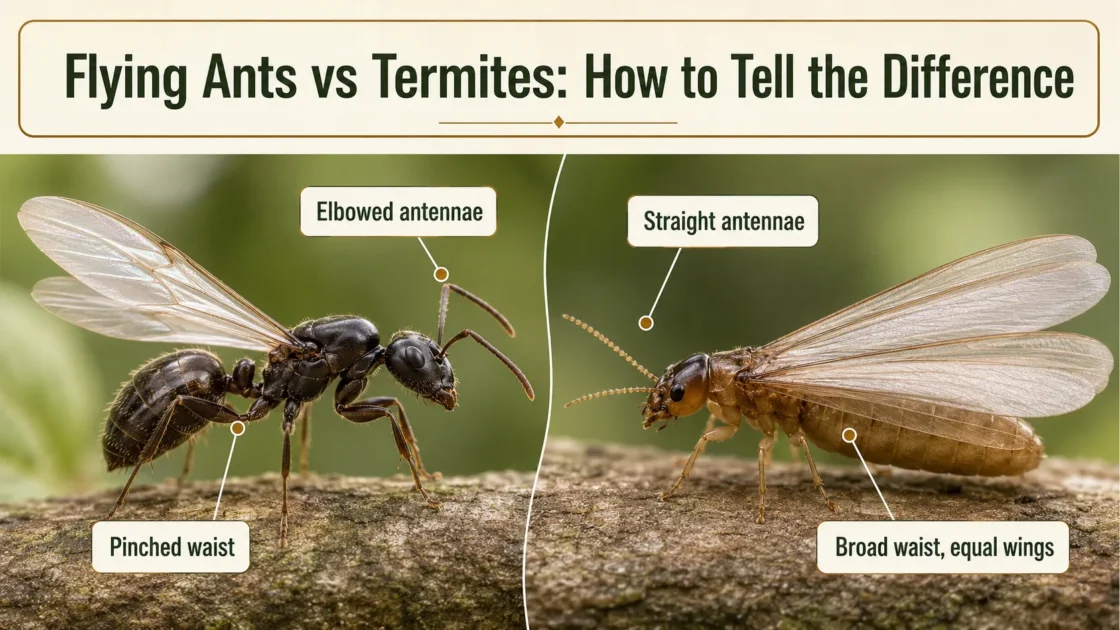
Flying Ants vs Termites
Compare antennae, waist shape and wing proportions without relying on color alone.
Read the identification comparison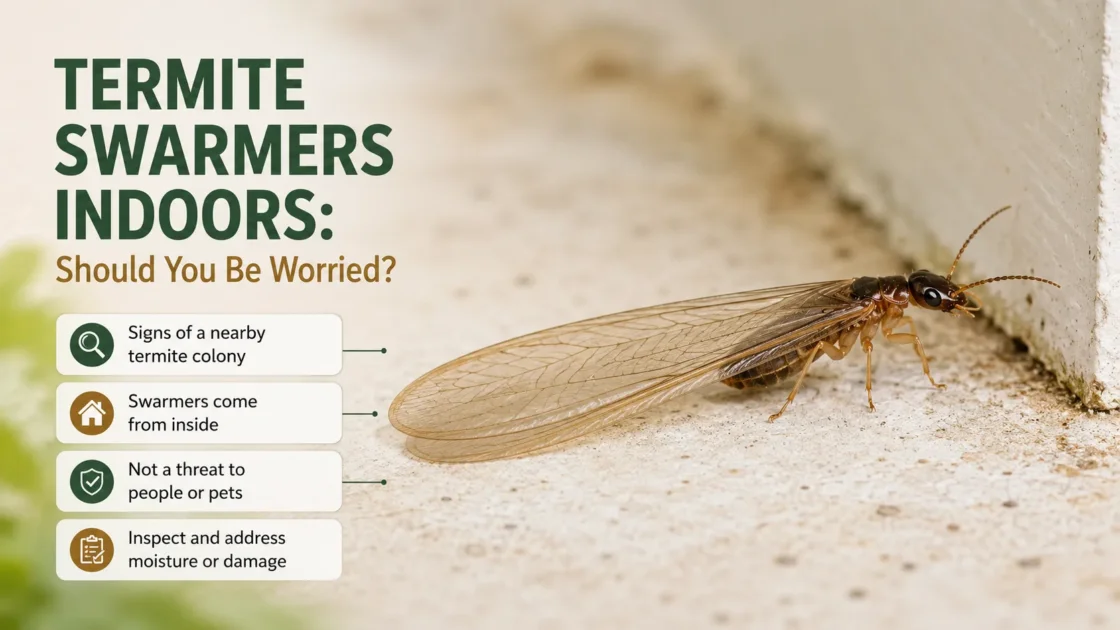
Termite Swarmers Indoors
How to interpret live swarmers, dead insects and piles of similar wings found inside a building.
Read the indoor swarmer article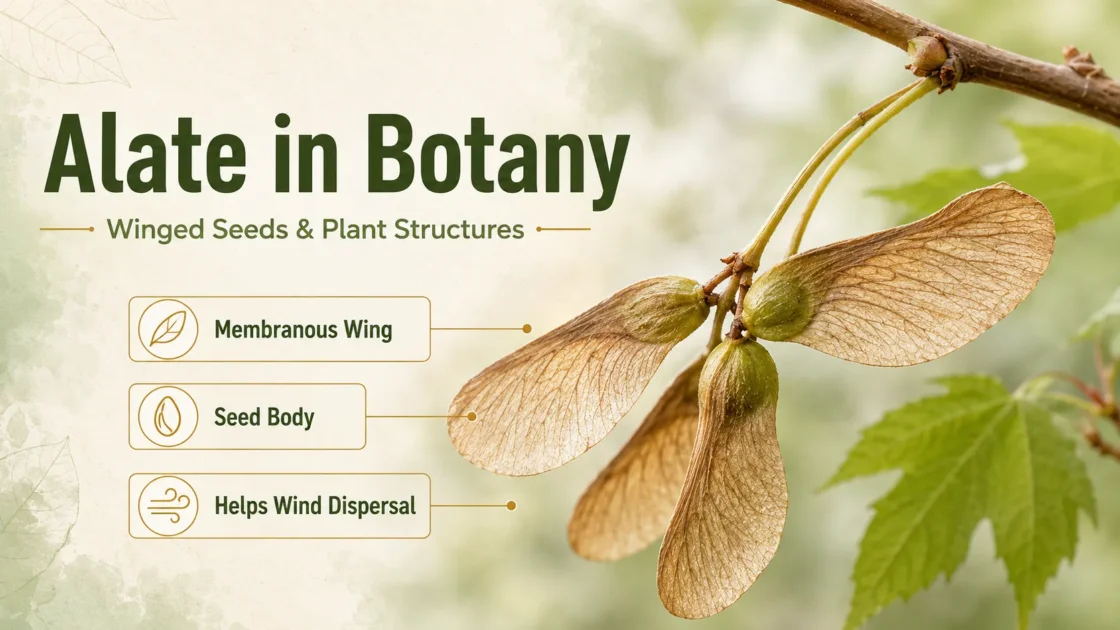
Alate in Botany
Winged seeds, fruits and plant structures that use thin expansions to support movement or dispersal.
Read about alate plant structuresLatest published articles
Recently published identification and termite-swarmer content with clear dates and article-specific links.
Termite Swarmers vs Flying Ants: Side by Side Comparison
A focused comparison of antenna shape, waist structure, wing length and common indoor evidence.
Read the side-by-side comparisonHow to Identify Termite Damage After a Swarm
Post-swarm evidence, damaged wood, mud tubes and the limits of visual identification.
Read the post-swarm damage articleTermite Swarmer Wings: Why They Fall Off
Why reproductive termites shed their wings after dispersal and what loose wings may indicate.
Read why termite wings fall offDampwood Termite Swarmers: What You Need to Know
Moisture-associated termite activity, swarmer traits and the importance of wet or damaged wood.
Read about dampwood termite swarmersDrywood Termite Swarmers: Signs and Identification
Physical traits and surrounding evidence associated with drywood termite reproductive flights.
Read the drywood swarmer articleSubterranean Termite Swarmers: Identification Guide
Equal-length wings, straighter antennae, broad body shape and structure-related context.
Read the subterranean swarmer articleWhat “alate” can describe
The word means winged, but its exact meaning depends on context. It may describe a reproductive insect, a dispersal form or a wing-like plant structure.
- Winged reproductive ants produced by mature colonies
- Termite swarmers leaving a colony for reproduction
- Winged aphid forms associated with movement between host plants
- Winged seeds, fruits or other plant structures
Educational information with clear limits
Articles use identification traits, biological context and relevant reference sources. Online information cannot guarantee species identification, confirm an active structural infestation or replace a qualified local inspection.